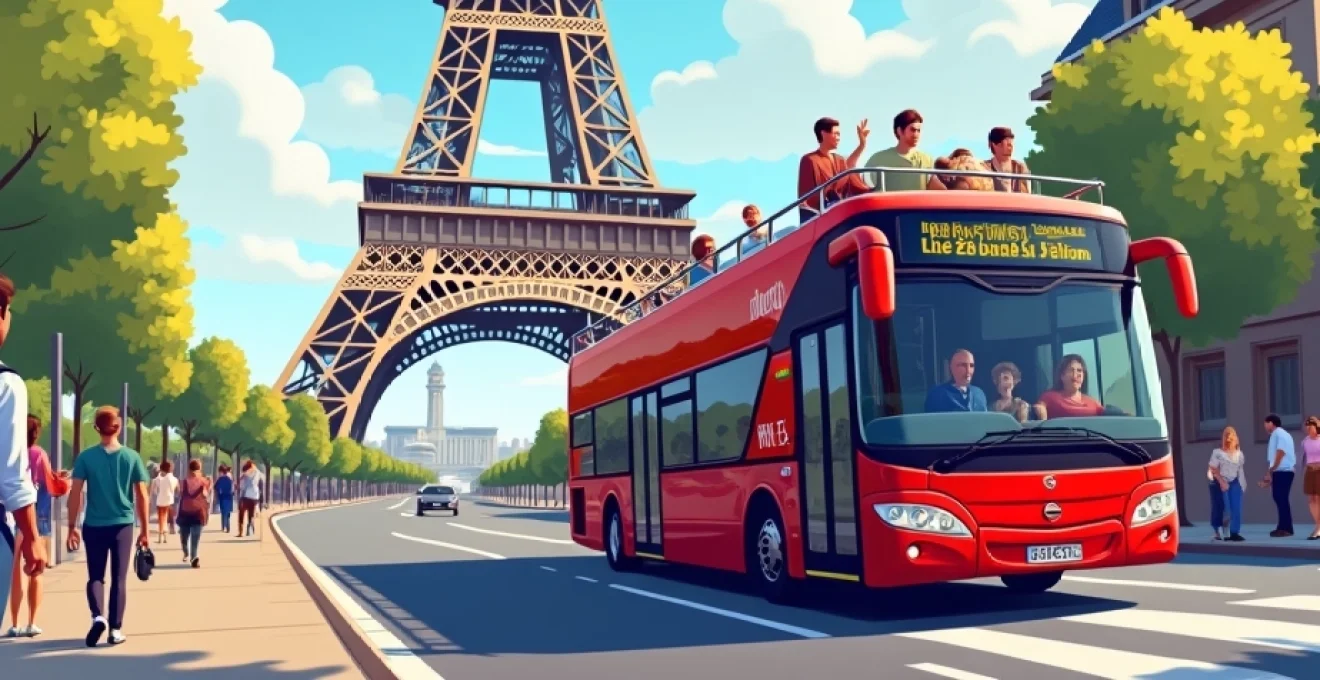
Paris captivates millions of visitors annually with its iconic landmarks, rich history, and romantic atmosphere. The City of Light presents countless attractions spread across its diverse arrondissements, making comprehensive exploration challenging for first-time visitors and returning travelers alike. Open-top bus tours have emerged as the premier solution for experiencing Paris efficiently while maximizing comfort and convenience.
These double-decker buses provide an elevated perspective of the city’s most celebrated monuments, from the Eiffel Tower and Arc de Triomphe to the Louvre and Notre-Dame Cathedral. The open-air upper deck creates an immersive sightseeing experience that traditional ground-level transportation cannot match. With professional audio commentary and strategic routes covering major districts, bus tours deliver comprehensive city introductions that independent exploration often lacks.
Modern hop-on hop-off services have revolutionized urban tourism by combining structured itineraries with personal freedom. Visitors can now enjoy guided commentary while maintaining complete control over their schedule and interests. This flexibility proves particularly valuable in Paris, where attractions warrant varying amounts of exploration time depending on individual preferences.
Paris bus tours cover top attractions
The strategic routing of Paris bus tours ensures coverage of the city’s most significant cultural and historical landmarks within a single comprehensive journey. Tour operators design their routes to connect major attractions efficiently, minimizing travel time while maximizing sightseeing opportunities. The typical red route encompasses central Paris highlights, traveling from the Arc de Triomphe through the Trocadéro area past the Eiffel Tower, continuing along the Seine to Notre-Dame Cathedral and the Latin Quarter.
These carefully planned itineraries include stops at world-renowned museums such as the Louvre, home to over 35,000 artworks including the Mona Lisa and Venus de Milo. The routes also pass the Musée d’Orsay, housing the world’s largest collection of Impressionist masterpieces, and the Rodin Museum with its stunning sculpture gardens. Religious architecture features prominently, with visits to the Gothic splendor of Sainte-Chapelle and the imposing dome of Les Invalides, where Napoleon’s tomb resides.
Alternative routes explore different facets of Parisian culture and history. The blue route typically focuses on Montmartre, the historic artists’ quarter crowned by the Sacré-Cœur Basilica. This area showcases Paris’s bohemian heritage, featuring the famous Moulin Rouge cabaret and the picturesque streets where Picasso, Renoir, and Toulouse-Lautrec once lived and worked. Some operators offer specialized routes highlighting specific themes, such as Emily in Paris filming locations or eco-friendly tours using electric vehicles.
Tour coverage extends beyond individual monuments to encompass entire neighborhoods and districts. Passengers experience the grandeur of the Champs-Élysées, often called the world’s most beautiful avenue, lined with luxury boutiques, cafés, and theaters. The tour routes traverse historic areas like the Marais district, known for its preserved medieval architecture and vibrant Jewish quarter, and Saint-Germain-des-Prés, synonymous with intellectual café culture and jazz clubs.
Hop-on hop-off buses provide flexible sightseeing
The fundamental appeal of hop-on hop-off bus services lies in their combination of structured guidance with personal autonomy. Unlike traditional guided tours that follow rigid schedules, these services allow passengers to customize their experience according to individual interests and energy levels. This flexibility proves especially valuable for families with children, elderly travelers, or visitors with mobility constraints who may need to adjust their pace throughout the day.
Choose your own itinerary and pace
Modern travelers increasingly value personalized experiences over one-size-fits-all tourism packages. Hop-on hop-off buses accommodate this preference by offering complete itinerary control. Photography enthusiasts can spend extended time capturing the perfect shot of the Eiffel Tower from Trocadéro, while history buffs might dedicate hours to exploring the extensive collections at the Louvre or Musée d’Orsay.
The service operates on frequent intervals, typically every 10-15 minutes during peak season, ensuring minimal waiting time between buses. This regular schedule eliminates the pressure to rush through attractions or worry about missing transportation back to the hotel. Visitors can confidently explore knowing that another bus will arrive shortly to continue their journey.
Digital integration enhances the flexibility further, with mobile apps providing real-time bus locations, estimated arrival times, and alternative route suggestions. These technological features help visitors optimize their time and make informed decisions about when to board the next bus. GPS tracking allows precise monitoring of bus progress, reducing uncertainty and improving the overall experience quality.
Spend more time at favorite sites
Individual preferences vary dramatically when it comes to attraction preferences and exploration styles. Art lovers might spend an entire afternoon wandering through the Louvre’s endless galleries, while others prefer quick overviews before moving to the next destination. Hop-on hop-off services accommodate both approaches without penalty or additional cost.
The system particularly benefits visitors interested in specific themes or subjects. Architecture enthusiasts can dedicate substantial time to examining Notre-Dame’s flying buttresses and intricate stone carvings, while food lovers might hop off near Les Halles to explore covered markets and specialty food shops. Garden enthusiasts can spend hours in the Luxembourg Gardens or Tuileries without worrying about group schedules.
This flexibility also accommodates spontaneous discoveries and recommendations from locals or fellow travelers. If you discover an intriguing café or boutique near a bus stop, you can explore it thoroughly without disrupting predetermined plans. The next bus will arrive soon enough to continue your sightseeing adventure.
Switch routes to explore different areas
Multiple route options allow comprehensive city exploration beyond single-path limitations. Most operators offer interconnected routes with common transfer points, enabling seamless transitions between different areas of interest. The main red route might focus on central monuments, while the blue route explores artistic Montmartre, and specialized routes might cover specific themes like royal residences or literary landmarks.
Strategic interchange points facilitate easy route switching without additional tickets or fees. These transfer locations typically occur at major transportation hubs or central areas like the Louvre or Châtelet, making navigation intuitive even for first-time visitors. Clear signage and announcements help passengers identify transfer opportunities and optimal routes for their desired destinations.
Route variety ensures comprehensive coverage of Paris’s diverse character. While one route showcases grand boulevards and monumental architecture, another might wind through narrow medieval streets and hidden courtyards. This multi-route approach provides a more complete understanding of Paris’s evolution from ancient Lutetia to modern metropolis, revealing layers of history often missed by single-route tours. You can click here to explore comprehensive route options and plan your perfect Paris adventure.
Onboard audio guides enhance tour experience
Professional audio commentary transforms bus tours from simple transportation into educational experiences that deepen understanding and appreciation of Parisian culture and history. Modern audio systems offer multilingual options, typically covering 8-10 languages including English, French, Spanish, Italian, German, Portuguese, Mandarin, Japanese, Russian, and Arabic. This linguistic diversity ensures accessibility for international visitors regardless of their native language.
The commentary content goes far beyond basic landmark identification, providing rich historical context, architectural analysis, and cultural insights that enhance the visual experience. Professional historians, local guides, and cultural experts typically develop the content, ensuring accuracy and depth that rivals traditional guided tours. Stories about famous residents, historical events, and cultural significance transform static monuments into dynamic narratives that capture imagination and foster emotional connection.
Audio guides often include specialized content for different audience segments. Children’s versions feature engaging stories, fun facts, and interactive elements designed to maintain young attention spans while providing age-appropriate education. Adult versions delve deeper into complex historical, political, and cultural themes that shaped Paris’s development over two millennia. Some operators offer themed audio tracks focusing on specific interests like art history, culinary traditions, or architectural evolution.
The technology supporting modern audio systems has evolved significantly, with wireless headphones, smartphone integration, and downloadable content enhancing user experience. Digital platforms allow visitors to access additional information, photographs, and videos related to specific locations, creating multimedia experiences that extend beyond the bus tour itself. GPS synchronization ensures that commentary automatically adjusts to the bus’s precise location, providing relevant information exactly when visitors need it most.
Quality audio commentary serves as a virtual expert guide, answering questions visitors might not even know to ask while providing context that transforms sightseeing into genuine learning experiences. The professional narration pace allows adequate time for observation while maintaining engagement through storytelling techniques that bring history to life.
Open-air upper deck offers panoramic views
The elevated perspective provided by double-decker buses fundamentally changes the sightseeing experience compared to ground-level transportation or walking tours. From the upper deck, visitors enjoy unobstructed views of architectural details typically missed at street level, such as ornate rooflines, decorative balconies, and intricate facade work that characterizes Haussmanian architecture throughout central Paris.
Photography opportunities multiply exponentially from this vantage point. The elevated position eliminates many foreground obstructions that complicate street-level photography, allowing clear shots of monuments, streetscapes, and architectural features. Professional photographers and Instagram enthusiasts particularly appreciate the unique angles and perspectives available only from bus upper decks, creating memorable images impossible to capture from ground level.
Weather protection varies by season and operator, with most buses offering convertible tops or transparent coverings during inclement weather. However, the open-air experience during favorable conditions provides sensory immersion that enclosed vehicles cannot match. The gentle breeze, natural lighting, and 360-degree visibility create authentic outdoor experiences while maintaining the comfort and convenience of organized transportation.
The psychological impact of elevation contributes significantly to the tour experience quality. Being above street level provides a sense of overview and orientation that helps visitors understand Paris’s urban layout and geographical relationships between landmarks. This spatial understanding proves valuable for subsequent independent exploration, as visitors develop mental maps and reference points for navigation.
The open-air upper deck transforms passive transportation into active engagement with the urban environment, creating memorable experiences that enclosed tour vehicles simply cannot replicate.
Safety considerations ensure passenger security without compromising the open-air experience. Modern buses feature secure railings, non-slip surfaces, and emergency procedures designed specifically for upper-deck passengers. Professional drivers receive specialized training for operating double-decker vehicles in urban environments, maintaining smooth rides that enhance rather than detract from the sightseeing experience.
Bus tours run frequently all day
Operational schedules for Paris bus tours typically span from early morning until evening, with extended hours during peak tourist seasons. Summer operations often begin around 9:30 AM and continue until 6:30 PM or later, while winter schedules might run from 9:30 AM to 5:00 PM depending on daylight hours and weather conditions. This extensive coverage ensures compatibility with diverse travel schedules and accommodation checkout times.
Frequency intervals during peak periods typically range from 5-15 minutes, ensuring minimal waiting times at any designated stop. High-season weekends might see buses every 5-7 minutes on popular routes, while off-season weekdays might extend to 12-15 minute intervals. This consistent service eliminates the anxiety associated with missing specific departure times, as another bus always arrives shortly.
Seasonal variations reflect practical considerations and tourist demand patterns. Summer services extend operating hours to accommodate longer daylight and increased visitor numbers, while winter schedules adjust for shorter days and potentially challenging weather conditions. Holiday periods often feature modified schedules with additional services to handle increased demand from both tourists and local residents.
Real-time tracking technology allows visitors to monitor bus locations and estimated arrival times through mobile applications. These digital tools provide accurate information about service disruptions, route modifications, or schedule changes that might affect travel plans. GPS integration ensures precision that traditional estimated timetables cannot match, improving overall service reliability and user satisfaction.
The combination of frequent service and extended operating hours provides remarkable flexibility for itinerary planning. Early risers can begin sightseeing shortly after breakfast, while night owls can continue exploring until evening. This operational commitment accommodates diverse travel styles and energy levels without forcing visitors into restrictive schedules that might conflict with other planned activities.
Consistent service frequency proves particularly valuable for families with children or travelers with mobility considerations who might need to take breaks or adjust their pace throughout the day. The assurance that another bus will arrive soon reduces stress and allows for more relaxed, enjoyable sightseeing experiences.
Discounts available when booking tickets online
Digital booking platforms offer substantial savings compared to on-site ticket purchases, with discounts typically ranging from 10-25% for advance online reservations. These promotional prices reflect reduced operational costs for tour operators while providing genuine value for budget-conscious travelers. Early booking discounts can reach up to 15% off standard prices, particularly during off-peak seasons when operators actively encourage advance reservations.
Multi-day passes provide additional value for extended stays, with 48-hour and 72-hour tickets offering progressively better per-day pricing compared to single-day options. A typical 24-hour pass might cost €38-45, while a 48-hour pass could be priced at €55-65, providing nearly 30% savings for the second day. These extended passes also include additional features such as river cruises, night tours, or walking tour components that further enhance overall value.
Combination packages bundling bus tours with attraction admissions, river cruises, or museum passes offer significant savings compared to purchasing components separately. Popular combinations might include hop-on hop-off buses plus Seine river cruises, Louvre museum admission, or Versailles palace visits. These integrated packages can provide savings of 20-40% while simplifying the booking process and ensuring compatibility between different services.
Family discounts and group rates provide additional savings opportunities for travelers with children or larger parties. Many operators offer free admission for children under 4, reduced rates for ages 4-15, and family packages that cap total costs regardless of family size. Group bookings for 6 or more participants often qualify for volume discounts that can reach 15-20% off individual ticket prices.
Online booking platforms frequently feature flash sales, seasonal promotions, and exclusive discount codes that can provide additional savings beyond standard advance purchase rates.
Mobile vouchers eliminate the need for physical ticket collection while providing immediate confirmation and entry capability. Digital tickets can be scanned directly from smartphones, reducing wait times at boarding points and eliminating concerns about losing paper tickets during travel. This convenience factor particularly benefits international travelers who might have limited opportunities for advance ticket collection.
Flexible booking policies allow date changes and cancellations, providing peace of mind for travelers dealing with uncertain itineraries or potential weather disruptions. Most operators offer free date changes up to 24 hours before the scheduled tour, while some provide full refunds for cancellations made 72 hours in advance. These policies reduce financial risk while encouraging advance bookings that benefit both operators and customers through improved planning and guaranteed availability.